


Leadership
A thought for the day: ‘What do we really know about leadership?’ Having looked at research on leadership, I have concluded that current writing indicates more about traits that lead to effective work practices and timing one’s entry and exit to successful situations then it does about leadership per se.

The Real Basis for Personality Tools
Judging from the amount of private correspondence about my last blog, it seems that it has caused quite a stir. To be clear, I’m a fan of personality testing but am not a zealot. I believe it has a role in any thorough assessment process but: It should not be
Lessons in Education: College Years
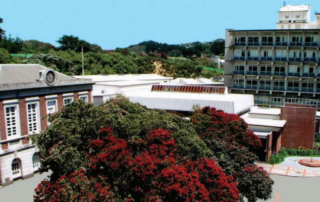
Wellington College was a completely fresh start. My friends went to St Patrick's in Kilbirnie, and it felt like I was entering a completely new environment at my new school. I had no expectations, but a sense of excitement at the possibilities. I knew I would be catching up with
Lessons in Education: Intermediate Years
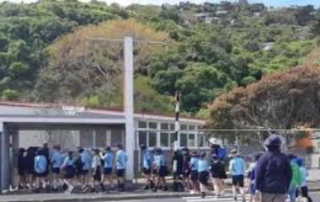
Intermediate school, the four years before one goes to college, was a formidable time of growth for me. Even though the bus ride to Wilton was no longer than twenty minutes (and was five minutes if we didn’t have to stop along the way), the journey created a clear demarcation

Lessons in Education: The Primary Years
As a pracademic, it would be fair to say that I’m passionate about education. Human beings learn and adapt to their environment continually. Unlike other animals, we come out half-baked and spend the rest of our life pruning and wiring neurons in our brain in response to the process of
Lessons from Brazil
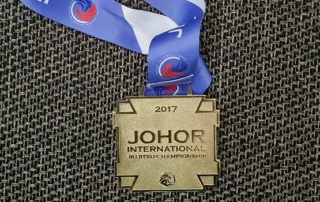
We are now up to 2020 in my sporting reflections, and the only sport I’m currently involved in is Brazilian Jiu-Jitsu (BJJ). I initially took up BJJ purely to improve my ground game for judo. I quickly realised that if I had any chance against younger opponents, that chance lay
Lessons from Egypt
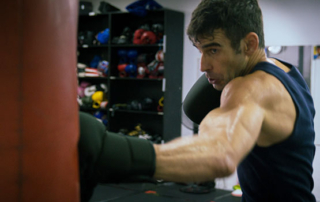
You can do all the training in the world on bags, but this does not translate to being able to throw a punch when you need to, nor, more importantly, keep your cool when being rained down on with punches.
Lessons from Japan
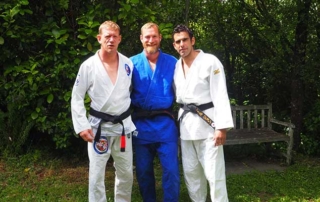
One sport has continually come and gone as one of my favourite pastimes throughout the last thirty years. I started judo at 14 years old, encouraged by my good friend Jon Wood. Joining was a no brainer for me.

Lessons from America
Like all my sporting endeavours, bodybuilding taught many lessons. These lessons have application well beyond bodybuilding and have focussed my business life as a psychologist, coach, and business owner.

The Myth That Training Is an Art, Not a Science
The idea that there is actually a science to training, and a methodology to be followed to ensure its effectiveness, is an anathema to many.