

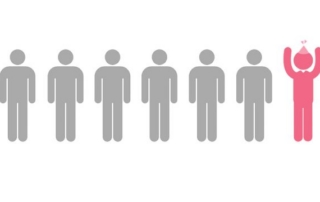
Psychology Is About People, Not Averages
When a psychology study finds that people judge X worse than Y, how many people actually did? A 2023 paper demonstrates that the answer is often far fewer than the finding implies, and that the gap between group statistics and individual reality is one of psychology's most underacknowledged problems.
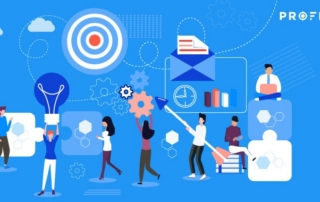
Work Engagement and Job Performance: How Strong Is the Link?
Work engagement is widely valued but its link to actual performance has not always been rigorously tested. A 2023 meta-analysis of 174 studies finds a consistent and meaningful correlation, with engaged employees demonstrably outperforming their less engaged counterparts.
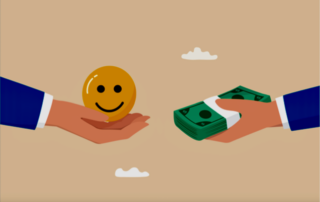
Does Money Buy Happiness? A Conflict Resolved
Does more money make you happier? Two prominent researchers had contradictory findings. A 2023 adversarial collaboration resolved the conflict: the answer depends on who you are, and for the happiest people, the relationship between income and wellbeing keeps rising with no ceiling in sight.

Conscientiousness and Job Performance: How Strong Is the Evidence Really?
Conscientiousness is one of the most trusted predictors in personnel selection. A 2023 meta-analytic review finds that barely 12 percent of the supporting research was conducted under realistic hiring conditions, leaving the real-world validity of the measure more uncertain than its reputation suggests.

Dead Rats, Dopamine, and the Dangers of Measuring the Wrong Thing
The Question In 1902, French colonial officials in Hanoi offered a bounty for rat tails to combat a plague-driven infestation. Residents duly delivered thousands of tails. Rat numbers did not decline. Tailless rats were soon spotted scurrying through the city, kept alive to breed more tails. Entrepreneurs began farming rats
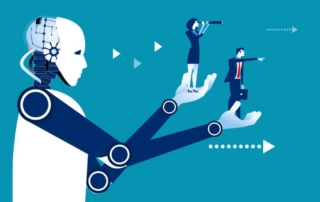
Will AI Take Over Leadership?
AI is already handling routine management. A 2023 opinion piece argues the assumption that human leadership is safe from automation deserves serious challenge, and that business education has not yet reckoned with what that means.
Workplace Wellbeing Initiatives: Do They Actually Work?
Workplace wellbeing programmes are widely offered and widely trusted. A 2024 study of 46,000 workers finds that participants report mental health outcomes no better than those who received nothing at all.
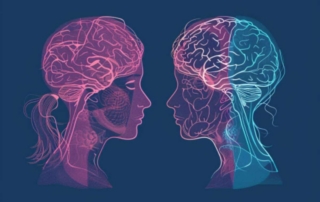
Sex Differences in Brain Organisation: What AI Reveals
The Question The question of whether male and female brains are organised differently has been scientifically contentious and culturally charged in roughly equal measure. A substantial body of research has claimed to find differences; another substantial body has questioned whether those differences are reliable, replicable, or meaningful. Ryali and colleagues

Game-Based Assessments: Do They Measure Cognitive Ability or Gaming Acceptance?
Game-based assessments promise to make hiring more engaging while measuring the same things as traditional tests. A 2024 study finds the validity case is reasonable, but the engagement promise is not: applicants actually reacted more negatively to the game format, especially those without much gaming experience.
Do Selection Tests Work Better Than We Think? A Numbers Debate
A 2024 debate in organisational psychology asks whether selection tests are being systematically undervalued due to how their effectiveness is calculated. One side says yes, and proposes a correction that makes the numbers look considerably more impressive. The other side agrees with the conclusion but argues the correction answers the wrong question.